With the release of TRANSFORMED, the good news is that we are hearing from more companies than ever before that believe they need to begin the journey to the product operating model. The challenge is that many of these companies need help, and are asking us for introductions to product coaches that can help them...
Featured
Product Management – Start Here
There has never been more interest in becoming a product manager. There has also never been so many strong and helpful voices that can help these aspiring product managers (at the end of this article I’ll share several of my favorites). However, there has also never been so much noise and nonsense written about product...
read moreWho Is Product Operating Model For?
One very common question we hear is: “We’re not a tech company, so is the product operating model even relevant for us?” This is a very widespread confusion, and it’s putting countless companies at risk of disruption, so I’m hoping to do what I can to try to clarify this. When our industry refers to...
read more
SVPG Product Therapy – Episode #3
In this episode of SVPG Product Therapy, Marty Cagan and Christian Idiodi discuss the concept of product sense and the actionable tactics product managers and people working in product can use to develop this valuable trait.
watch nowUpcoming Public Workshops
SVPG Product Masterclass – Waitlist Only
Online - Jun 3-Jun 6 (11am-4pm EDT) / SVPG Partner - Lea Hickman
TRANSFORMED Leadership Workshop – Sydney
Sydney - Jun 11-Jun 11 (9am-5:30pm AEST) / SVPG Partner - Marty Cagan
SVPG Product Masterclass
Online - Jul 15-Jul 18 (9am - 2pm EDT) / SVPG Partner - Christian Idiodi
SVPG Product Masterclass – AsiaPac Timing
Online - Sep 9-Sep 12 (4pm - 9pm PDT) / SVPG Partner - Chris Jones
SVPG Product Masterclass – London
London - Sep 24-Sep 26 (9am - 5pm BST) / SVPG Partner - Jon Moore
Testimonials
"I said to my team that I would have gone away after just the first day with 1,001 things to try. It was all so beneficial."
— Jess H.
"We were able to make a massive breakthrough in the product excellence journey. It JUST worked. Things clicked. The teams re-engaged and re-energized. We’re sitting on the launchpad of the most impactful work we have ever done."
— Marko D.
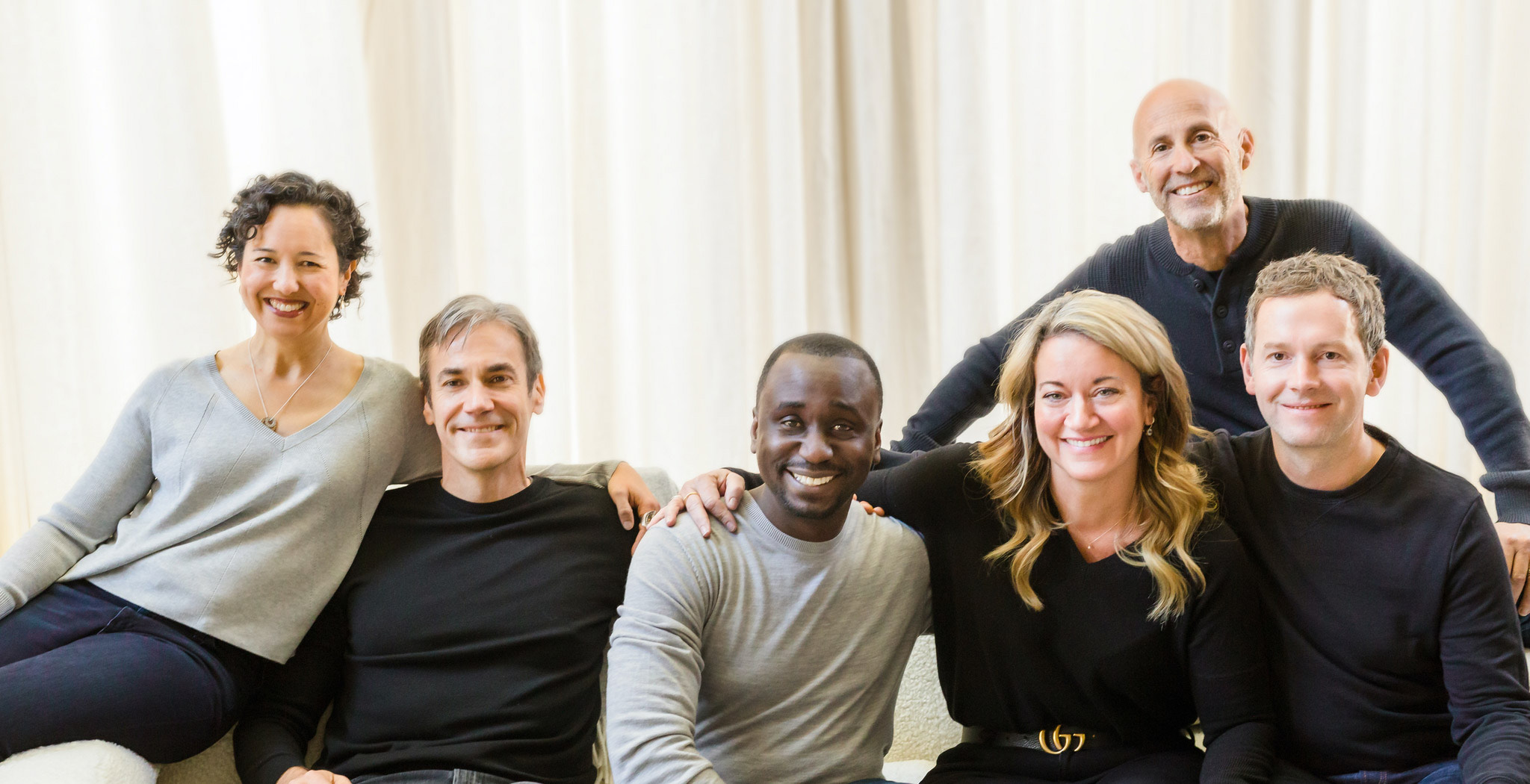
An experienced set of partners
We are industry veterans who have each held executive level positions at major Silicon Valley companies where we have been instrumental in the development of leading products. We know how great products are built. And we can help you build them, too.